Flex Air Part 61 / 141 Flight Training Flex Air is a veteran and minority owned and operated flight school for everyone aspiring to careers in aviation. What makes us different: We provide mentorship and career placement services for every student and employee. We think the pilot shortage is a mentorship shortage. Founded in 2018. Over 400 airline, corporate, charter, and cargo pilot alumni. Bases in Kansas (MHK, OJC) and California (MYF). Part 61 and Part 141 operations. One-on-one training environment. We target a student-to-instructor ratio of 6.0. C-172 fleet. Department of Defense SkillBridge flight school for Veterans, GI Bill, VR&E, Military Friendly® school. All instructors receive career mentorship, networking, resume-building, interview prep, and job placement services at no cost. Our career placement rate is 100%. Our training outcomes are 340% better than industry average.


- Website
- goflexair.com
- Location
- San Diego, California
- Job Feed
- View RSS
- News Feed
- View RSS
 Flex Air career details and job information (7 jobs available)
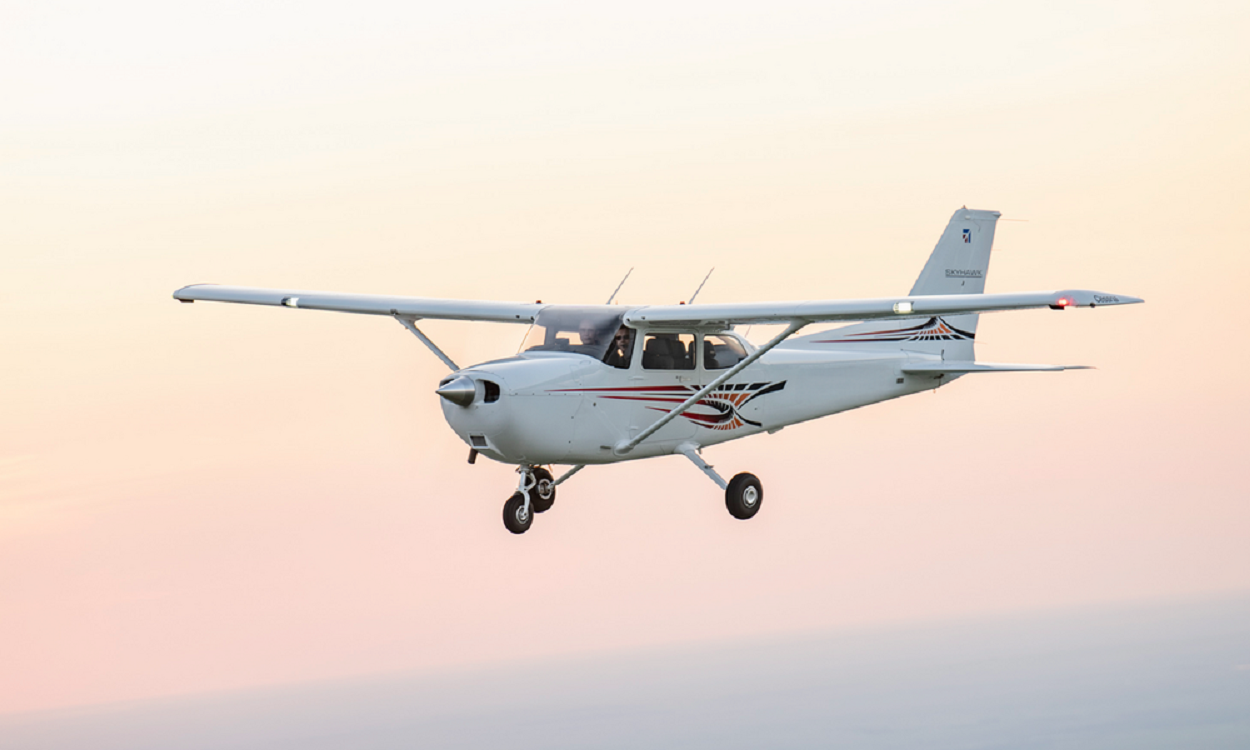
US airline cadet programs don't pay for your training. They give you a conditional job offer and access to a loan. An apprenticeship is a different structure entirely: you're employed while you train. Here's the difference, and how to qualify for one.
College and Flight Training at the Same Time: How the Pathway Works
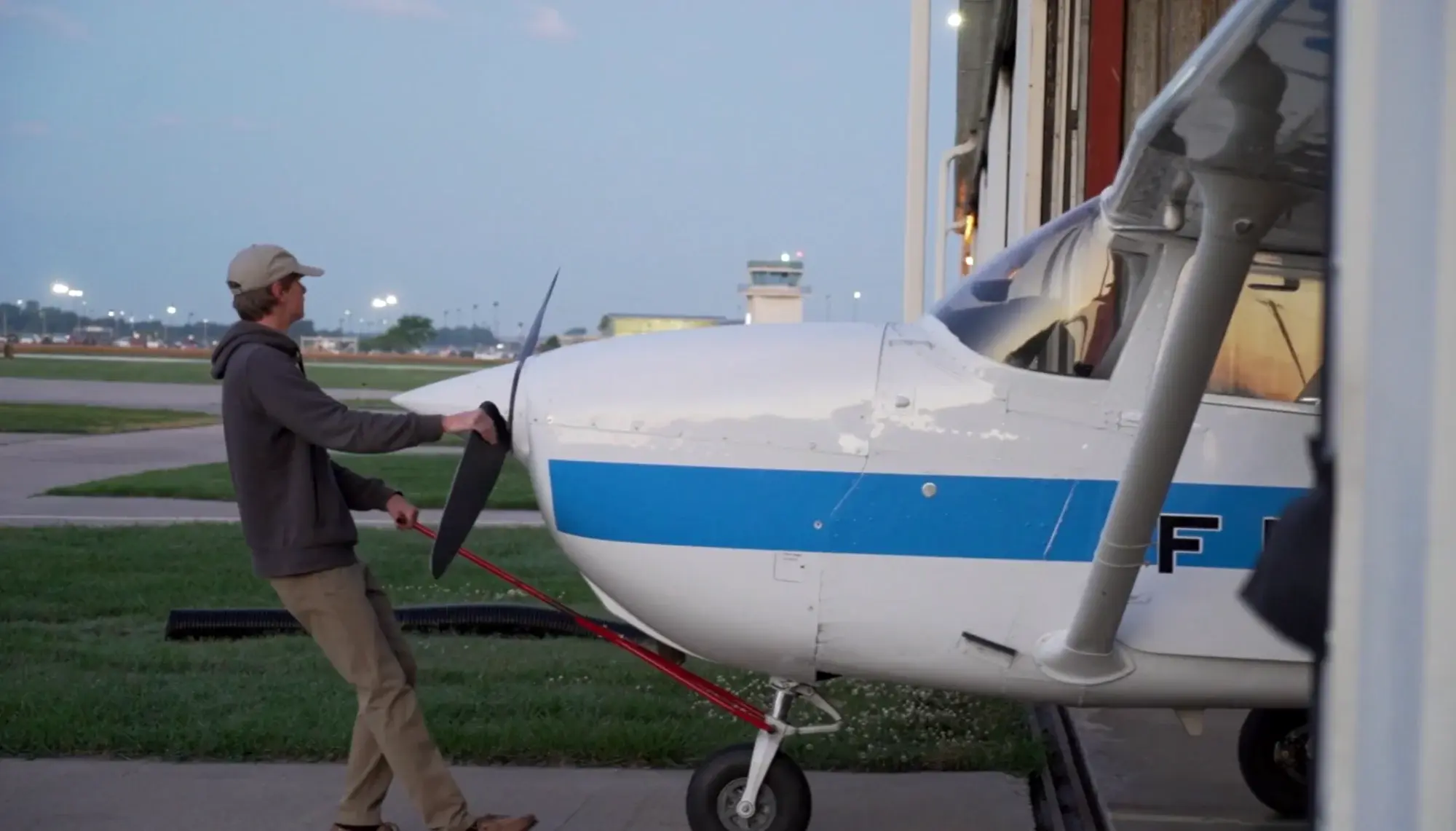
For most of aviation's history you chose between college and flying, and paid twice if you wanted both. A partner-school pathway runs them together. Here's what that changes about funding, timeline and hiring, and what it doesn't change at all.
DoD SkillBridge for Flight Training: How a Veteran With Zero Flight Hours Becomes a Pilot
.png)
The direct answer
FAA First-Class Medical: What Disqualifies You, What Doesn't, and Why to Take It First
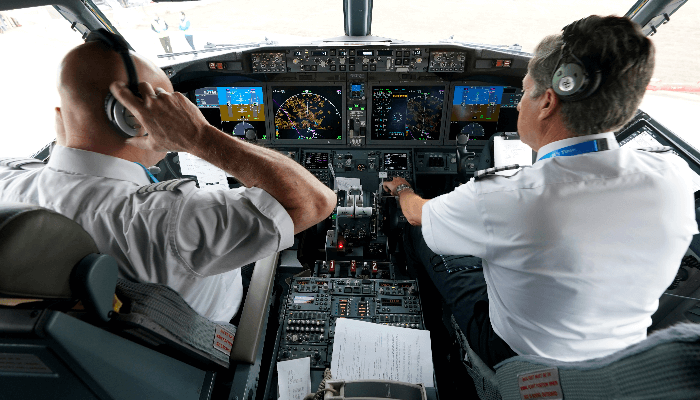
FAA First-Class Medical: What Disqualifies You, What Doesn't, and Why to Take It First
Do You Need a College Degree to Become an Airline Pilot?

No, not from the FAA, and not from any U.S. airline. A degree changes exactly one thing, and only at certain schools. Here's the rule, the exception, and how to tell which applies to you.
Why Commercial Pilot Training Is Hard to Finish

Key Takeaways:
- Financial uncertainty, not the sticker price alone, is one of the top reasons students leave flight training early.
- Irregular scheduling caused by weather, instructor turnover, and life obligations erodes training momentum over time.
- FAA written and oral exams are documented failure points that benefit from structured, one-on-one ground school preparation.
- Flex Air addresses these barriers through personalized mentorship, flexible scheduling, and 100% financing with career placement support.
- Students who pair realistic budgeting with consistent flight frequency finish faster and retain skills more effectively.
This article was authored by Flex Air President Paul Wynns, PhD (USN retired naval aviator) who is a behavioral sciences researcher at the UC San Diego Design Lab Center for Design-Driven Transformation and a volunteer board member at the National Flight Training Alliance. Wynns is routinely invited to share insights on vocational flight training with flight school students and operators at conferences like AeroSummit.
Why Do So Many Student Pilots Quit Before Earning a Commercial Certificate?
AOPA research estimates that 70 to 80 percent of student pilots leave training before earning a certificate. That number sounds alarming, but the reasons behind it are more nuanced than you might expect. Students rarely quit because flying is too difficult. They quit because the process stops feeling like progress.
Part-Time Commercial Pilot Training in the US: 2026 Guide
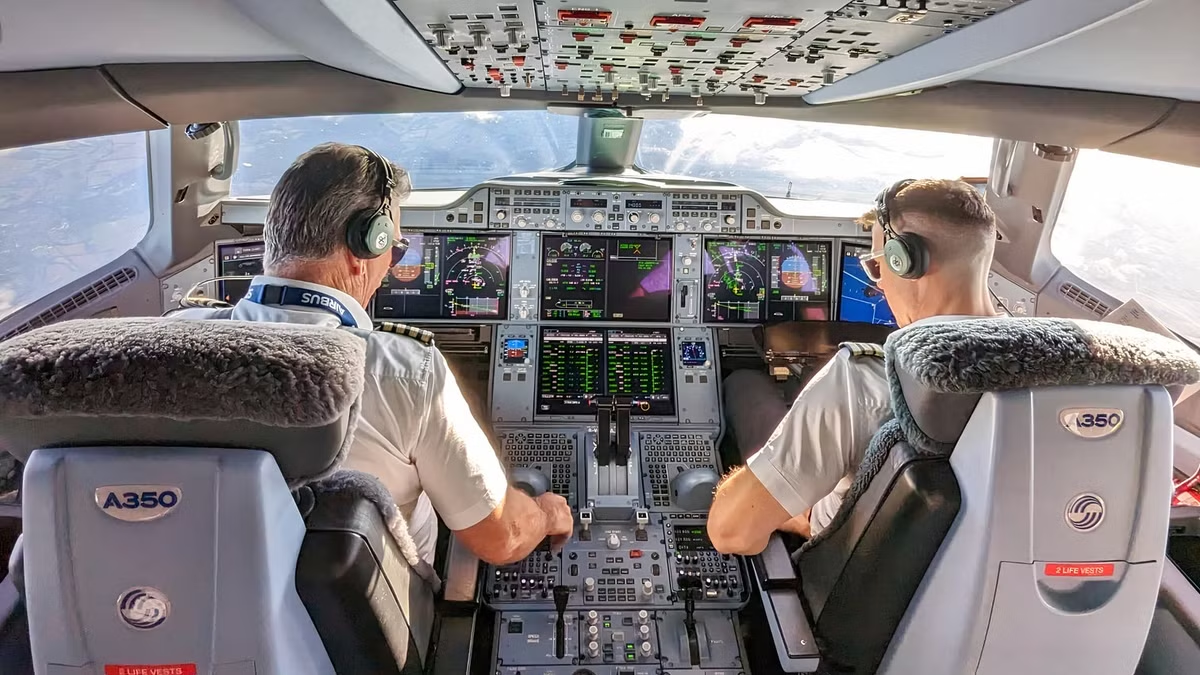
Part-time commercial pilot training is flight instruction designed to fit around a working professional's existing schedule. Instead of requiring full-time commitment of 40 or more hours weekly, these programs allow students to train on evenings, weekends, or during flexible blocks of time that accommodate their current jobs.
How To Choose a Commercial Pilot Program in 2026
Why There Can Be a Pilot Shortage Even When CFI Hiring Slows Down
What is going on with airline hiring?
Both things are true. They only seem to contradict each other if you picture the pilot job market as one big pool of labor. It isn't. It is a pipeline — and pipelines don't move all at once.
Short version: The long-run shortage of airline pilots is still real. What changed in 2024–2025 is the pace of hiring at the very top of the pipeline, not the underlying need. Because the pilot pipeline behaves like a supply chain with a bullwhip effect, a modest slowdown in airline hiring shows up as a much sharper slowdown downstream — for regionals, flight schools, and CFIs — and it shows up on a delay. That is why the training side just posted record numbers in the same year that ATP issuance, the cleanest signal of airline hiring, fell 31%.
Let me walk through why, the way I would on a call — first the mechanism, then what it means from your seat, whether that seat is an instructor's or a beginner's.
Using VR&E for Flight School: Your Step-by-Step Guide
Veteran Owned, Veteran Operated
Our Mission: Be the best flight school for veterans.
View all job opportunities with Flex Air
Get recommended to Flex Air